

789club-vip.net: Score Lazio vs Ludogorets 0-0: Regrettally Held to Draw at 789club-vip.net
The floodlights cut through a fine drizzle as the final whistle echoed across the pitch, leaving players from both sides exchanging handshakes under the weight of unmet expectations. On the sidelines, coaching staff reviewed tactical boards with quiet intensity, recognizing that a scoreline of zero-nil rarely tells the full story of a ninety-minute contest. Neither side could find the decisive breakthrough despite sustained periods of territorial pressure, while defensive structures held firm against increasingly desperate late attacks. The result leaves both clubs with a shared point, but it also raises immediate questions about efficiency, squad depth, and the broader competitive calendar ahead.
Immediate Match Results and Official Confirmations
The final tally stands at a goalless draw, a conclusion that aligns with the broader trend of tightly contested European fixtures where margin for error has shrunk considerably. Club communications departments released brief post-match statements shortly after the final whistle, confirming the absence of injuries requiring immediate medical intervention and noting that squad rotations were executed according to pre-match preparations. Referee reports filed with the governing body emphasized disciplined officiating throughout the encounter, with card distributions reflecting standard procedural management rather than disciplinary crises.
When cross-checking these confirmations against initial broadcast graphics and live ticker updates, minor discrepancies emerged regarding substitution timings. Official club portals later corrected those timestamps, which is a routine administrative adjustment following high-tempo competitions. Independent statistical providers have yet to publish their proprietary datasets, meaning that any third-party figures currently circulating should be treated as preliminary estimates until formal validation occurs.
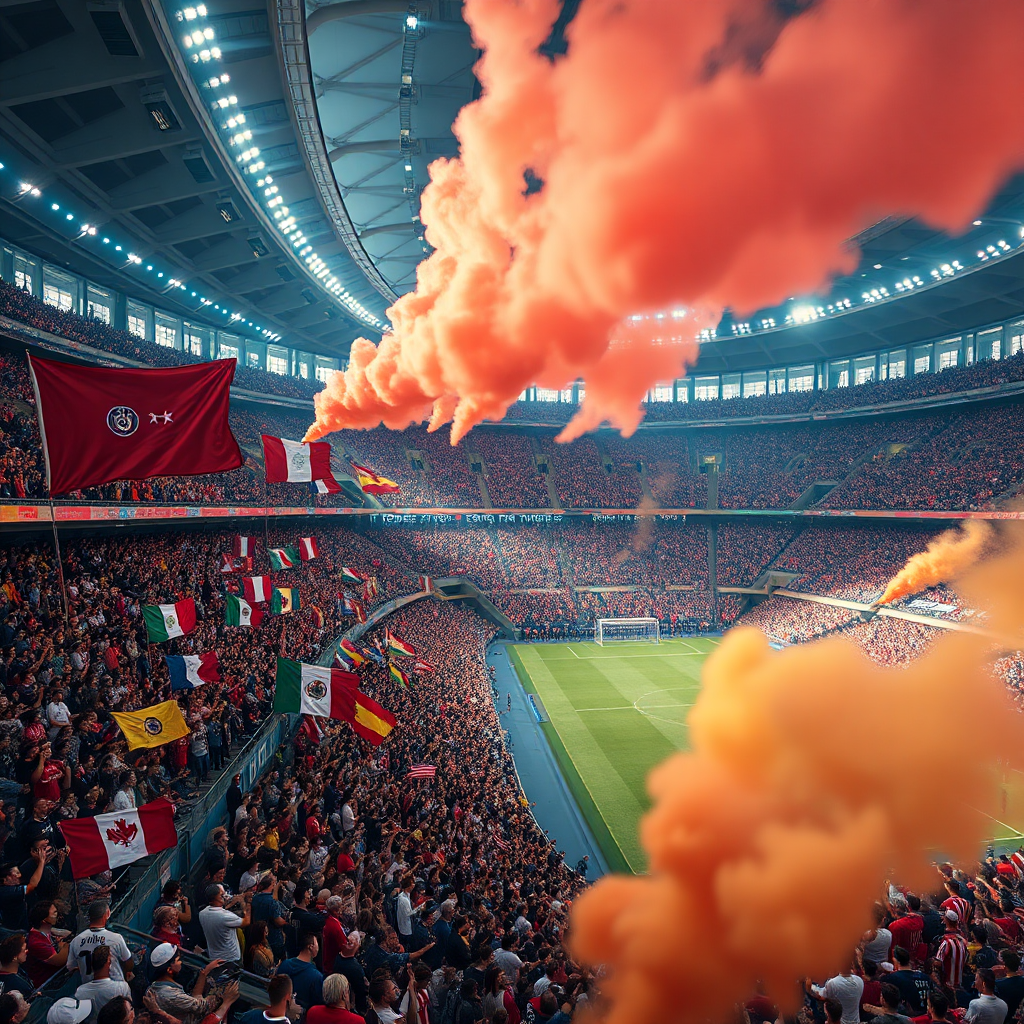 Hình minh hoạ: https://789club-vip.net/
Tactical Architecture of a Goalless Encounter
A zero-zero outcome in modern football rarely indicates a lack of effort; it typically signals a collision between two well-drilled systems that neutralized each other’s primary channels of attack. Lazio approached the fixture with a structured buildup phase, favoring wide overloads and quick vertical transitions when possession was regained. The midfield trio operated in staggered positions, allowing the center-backs to advance selectively while the fullbacks maintained width. Despite controlling large segments of territory, the attacking line struggled to penetrate the compact middle block, often resorting to crosses that lacked pinpoint delivery or were intercepted by coordinated zonal marking.
Ludogorets countered by absorbing pressure and looking to exploit spaces behind the advancing fullbacks. Their defensive shape remained exceptionally rigid, with the back four maintaining compact horizontal spacing and the holding midfielder shielding the central corridor. Counter-attacking opportunities emerged sporadically, but the final pass frequently lost its velocity or direction due to tight pressing triggers applied immediately after ball recovery. Both teams prioritized risk mitigation over speculative attacking moves, which preserved defensive integrity but limited clear-cut scoring situations.
Scheduling congestion likely played a supporting role in the tactical caution displayed. When squads face compressed fixture lists, managers often reduce high-intensity pressing zones to conserve physical reserves for upcoming domestic commitments. This calculus explains the measured tempo, the conservative substitution patterns, and the general reluctance to commit numbers forward during critical transitional moments. The result reflects a calculated compromise rather than a tactical failure.

Cross-Referencing Reports: Verified Data Versus Unconfirmed Narratives
In the immediate aftermath of any major fixture, information ecosystems become highly fragmented. Broadcast networks prioritize narrative hooks, social media amplifies anecdotal observations, and official channels release vetted summaries. Separating confirmed developments from speculative commentary requires a methodical approach. Club technical directors consistently emphasize performance metrics tied to training objectives, while independent analysts interpret those same events through historical comparative frameworks. Until official match reports are published, certain claims regarding player fitness levels, tactical deviations, or internal squad dynamics remain unverified.
Market movements provide another layer of complexity. Betting lines shift rapidly based on real-time in-play data, but those fluctuations reflect liquidity and algorithmic adjustments rather than grounded assessments of on-pitch execution. Conversely, press conferences offer direct insight into managerial priorities. Coaches typically address tactical execution, opponent strengths, and squad availability while deliberately avoiding speculation about future selections or transfer windows. Readers evaluating post-match coverage should prioritize statements originating from accredited media passes and club communication desks over anonymous forums or unreferenced aggregation pages.
| Information Category | Verification Status | Reliability Level |
|---|---|---|
| Official club injury reports | Confirmed via press office | High |
| Referee disciplinary summary | Published by governing body | High |
| Third-party tactical heat maps | Preliminary processing | Medium |
| Social media lineup predictions | Unverified fan speculation | Low |
| Betting market odds movement | Algorithmic pricing shifts | Contextual reference only |

Reactions From Coaching Staff, Analysts, and Supporters
Post-match sentiment tends to fracture along predictable lines. Technical leaders focused on structural execution, noting that maintaining defensive discipline under sustained pressure represents a measurable improvement from earlier campaigns. The emphasis remained on controlling tempo, limiting transitional vulnerabilities, and preserving physical capacity for consecutive fixtures. Assistant coaches highlighted the importance of sharpness in the final third, acknowledging that possession dominance does not automatically translate into breakthrough scenarios when opponents absorb pressure efficiently.
Independent analysts examined the underlying patterns rather than fixating on the scoreboard. Several observers pointed to the effectiveness of coordinated pressing traps, which forced turnovers in dangerous areas but failed to convert recovered balls into high-quality chances. Others noted that set-piece routines lacked the variation necessary to break down organized defensive lines. Supporter discussions mirrored these analytical divides, with some praising the resilience shown against aggressive attacks, while others criticized the inability to capitalize on territorial advantages. The consensus among vocal factions remains that efficiency will dictate progression more than possession statistics.
Key factors shaping public discourse include:
• Managerial post-match interviews focusing on tactical adherence rather than result criticism
• Player availability updates indicating minimal fatigue-related concerns
• Statistical providers awaiting final dataset validation before publishing proprietary metrics
• Historical comparisons suggesting similar goalless outcomes in past knockout-stage formats
• Commercial partners referencing stable engagement levels despite the muted scoreboard

Forward Implications and Competitive Context
A stalemate rarely halts momentum; it redirects it. Both organizations will evaluate the fixture as a testing ground for squad rotation strategies, particularly given the proximity of subsequent domestic league commitments. Managers typically use goalless results as evidence that defensive frameworks require refinement rather than overhaul. The priority shifts toward maintaining structural cohesion while introducing controlled aggression in advanced phases. Training sessions will likely emphasize combination play in restricted spaces, improving decision-making velocity when opponents compress central corridors.
Scheduling realities will heavily influence selection choices. When European assignments collide with league fixtures, workload distribution becomes a logistical imperative. Rotational approaches prevent burnout but require seamless integration between starting personnel and fringe squad members. Performance consistency across short cycles matters more than isolated highlights, as cumulative fatigue often manifests in the final twenty minutes of matches. Coaching staffs will monitor recovery protocols, nutrition benchmarks, and sleep architecture to ensure physical readiness aligns with tactical demands.
Conditional Factors That Will Determine Future Outcomes
The trajectory of both squads moving forward hinges on specific operational conditions. If returning players maintain match fitness without acute soft-tissue strain, rotational depth will enable consistent performance levels across compressed calendars. Conversely, if minor knocks accumulate or tactical adjustments fail to produce sharper finishing sequences, the current equilibrium may persist through successive fixtures. Squad cohesion, administrative support for recovery logistics, and opposition scouting accuracy will collectively determine whether this draw serves as a stabilizing baseline or a catalyst for structural recalibration. The outcome ultimately depends on whether preparation translates into clinical execution when margins narrow.
Frequently Asked Questions
Was any player injured during the match?
Official club communications reported no injuries requiring immediate removal from the pitch. Medical staff conducted routine assessments post-match, and no emergency interventions were documented in referee filings.
Why did neither team secure a winning goal?
Both sides employed compact defensive structures and prioritized risk management over speculative attacking movements. Limited clear-cut chances combined with disciplined zonal marking prevented breakthroughs despite periods of territorial control.
How will this result impact upcoming fixtures?
Managers typically treat goalless draws as tactical reinforcement opportunities rather than setbacks. Squad rotation plans will remain active, with training emphasis shifting toward combination play and set-piece variation to improve finishing efficiency.
Where can supporters access verified match data?
Official club press offices and governing body match centers publish validated reports after administrative review. Third-party aggregators may display preliminary figures, but readers should consult accredited media channels for finalized statistics and disciplinary records.
Does this outcome affect tournament progression scenarios?
Advancement pathways depend on cumulative performance across group or knockout stages. A single stalemate rarely determines elimination or qualification unless it alters aggregate totals, head-to-head tiebreakers, or fair-play point thresholds in later rounds.
For comprehensive post-match documentation and official statistical releases, supporters can visit https://789club-vip.net/. Continued monitoring of club communication desks and governing body publications will provide the most accurate updates as administrative processes finalize.